

In modern industrial environments, cybersecurity risks are increasing faster than ever. Critical infrastructures such as power plants, oil and gas facilities, water treatment systems, and transportation networks rely heavily on OT and ICS systems. These networks were originally designed for stability—not security—and are now frequent targets of cyberattacks.
One of the most reliable technologies developed to prevent unauthorized access and protect sensitive operational data is the Data Diode, a hardware-based one-way data transfer device.
What Is a Data Diode?
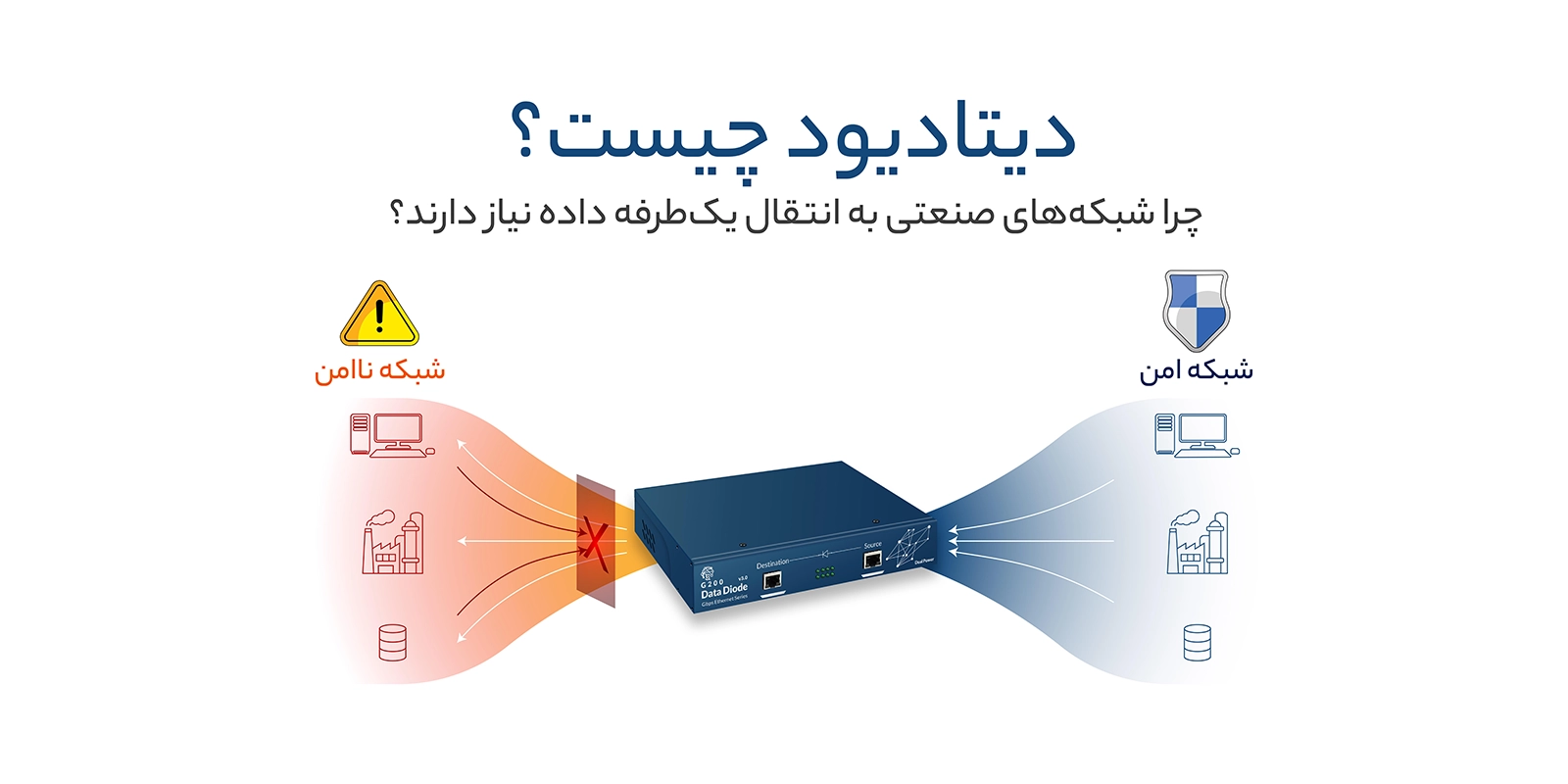
A data diode is a physical, hardware-enforced one-way communication device that allows data to move in only one direction—from a secure network to a less secure network—without any possibility of reverse communication.
Unlike firewalls, which depend on software rules and are vulnerable to misconfiguration and zero-day exploits, data diodes use physical separation to guarantee that no data can ever return to the protected network.
This makes them one of the most trusted technologies for high-security industries.
How Does One-Way Data Transfer Work?
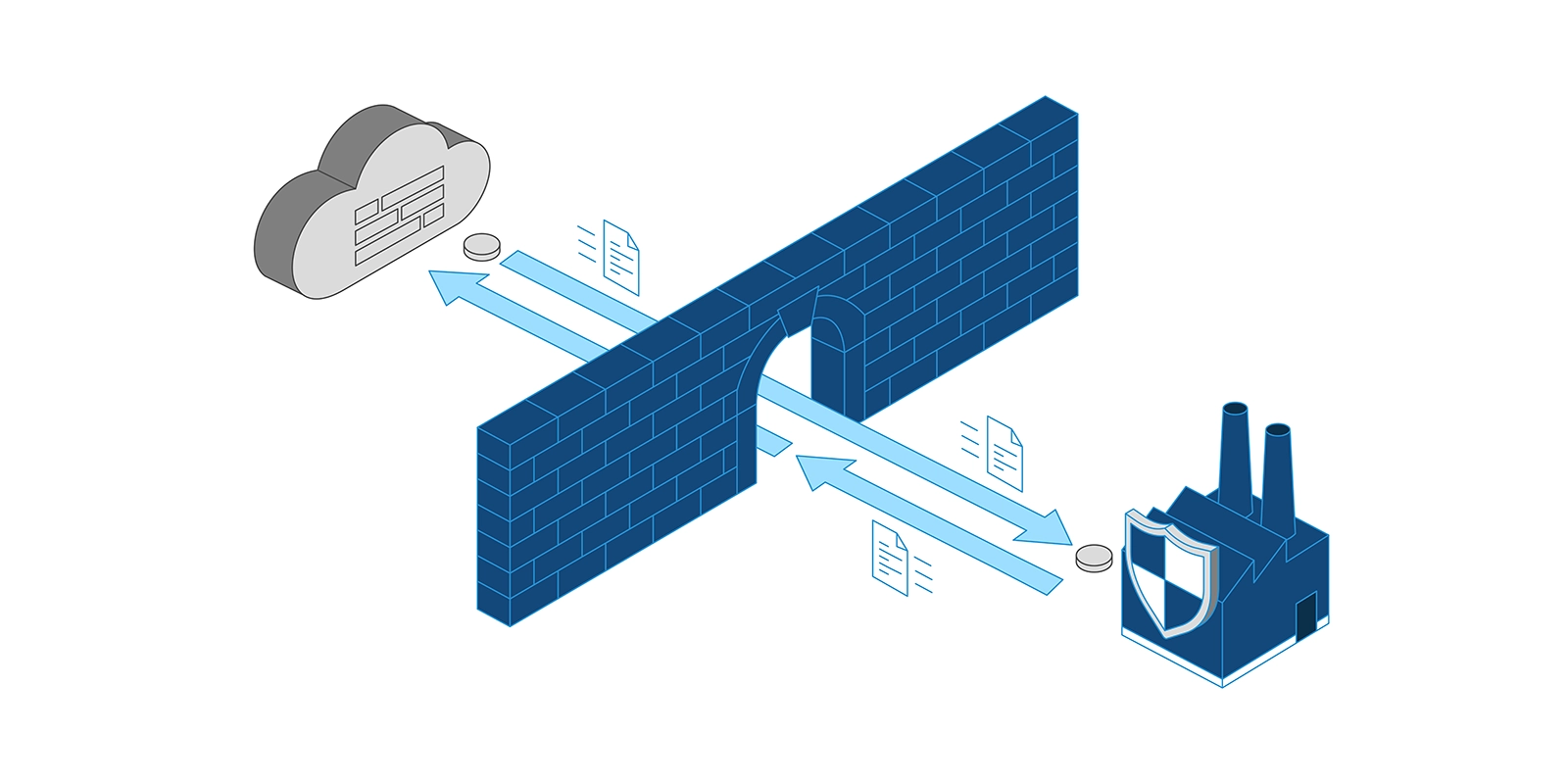
A data diode uses hardware logic that allows only outbound data flow.
Here’s what happens internally:
Data is transmitted through a TX-only channel
The RX path does not physically exist → making reverse communication impossible
Attackers cannot send packets, commands, malware, or exploits back into the secure network
The secure network remains isolated, even while sending telemetry or monitoring data to external systems
This design provides absolute protection against:
Malware injection
Network scanning
Remote command execution
Ransomware propagation
Zero-day vulnerabilities
Why Industrial Networks Need One-Way Data Transfer
OT/ICS environments often support equipment that must run continuously and cannot tolerate downtime. A cyberattack could result in:
Production shutdown
Safety hazards
Environmental damage
Financial loss
Manipulation of sensors and controllers
A data diode prevents these threats by ensuring:
Protected control network → cannot be accessed from outside
Monitoring data → can safely leave the secure network
This balance of visibility and protection is why many industries consider data diodes essential.
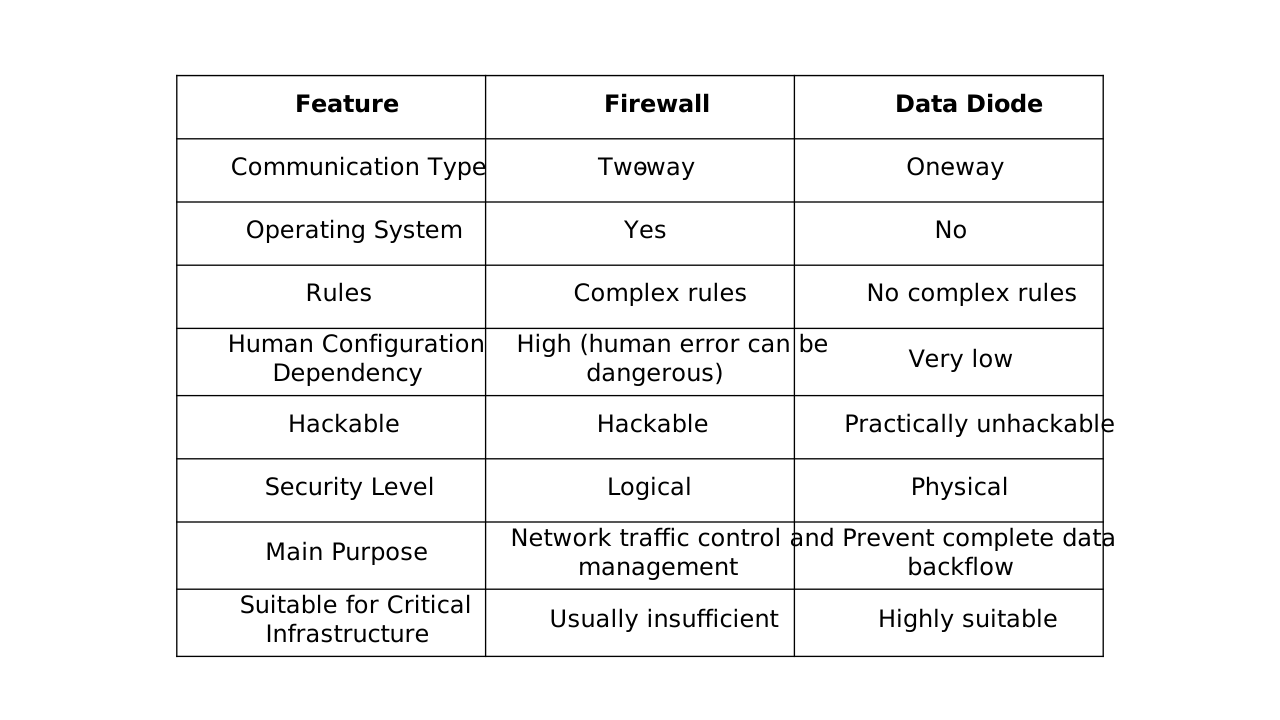
Comparison: Firewall vs. Data Diode
Key Benefits of Using Data Diodes
1. Maximum Security with Zero Attack Surface
No operating system, no software vulnerabilities—pure hardware.
2. Guaranteed No Return Path
Even if the external network is fully compromised, it cannot send anything back.
3. Compliance with Industrial Security Standards
Many frameworks now recommend or require unidirectional gateways (e.g., ISA/IEC 62443).
4. Stable 24/7 Operation
Designed for mission-critical environments.
5. Protects Legacy Systems
Older OT equipment cannot be patched—but can be isolated with a data diode.
Common Use Cases of Data Diodes
SCADA data transfer to enterprise networks
Secure communication between control room and monitoring center
Logging and telemetry collection
Remote monitoring of industrial processes
Protecting critical infrastructure from cyberattacks
Isolating OT networks from IT networks
Safe integration with cloud platforms
Where Does the G200 Industrial Data Diode Fit In?
The G200 Industrial Data Diode is a hardware-based one-way transfer device developed specifically for OT/ICS and SCADA networks.
It provides:
True one-way data transfer
OS-less architecture for maximum security
Support for multiple industrial protocols
Reliable 24/7 operation
Complete physical isolation between secure and insecure networks
Learn more about the G200 here
Conclusion
Data diodes are among the most secure and effective technologies for protecting industrial networks. With rising cyber threats targeting critical infrastructures, organizations need a reliable method to guarantee network isolation without sacrificing visibility.
One-way data transfer technologies like the G200 ensure operational continuity while eliminating the possibility of inbound cyberattacks.
If your organization handles critical operations, now is the time to consider implementing a hardware-based data diode solution